A new travel trend links athletic passion with adventure. Travelers now carry more than just swimsuits; they bring running shoes, tennis gear, or pickleball paddles. These active pursuits shape where and how people explore. Destinations and hotels embrace this by crafting sports-focused experiences that draw in high-value visitors and encourage repeat stays.
Running
Run clubs turned solo jogs into social events. With a 59% global surge in club participation and 9% rises in marathons and ultramarathons, running now connects travelers to shared experiences.
Major brands like Nike, Lululemon, and Peloton foster these fitness communities. They turn park runs into cultural gatherings that appeal to locals and visitors alike.
Running tourism thrives on setting, course design, and two key motivations: community and scenery. The “Big Six” marathons—Boston, London, Berlin, Chicago, New York City, and Tokyo—draw tens of thousands of participants. Trails in Big Sur, Queenstown, and Reykjavik have grown into sought-after events thanks to their memorable landscapes.
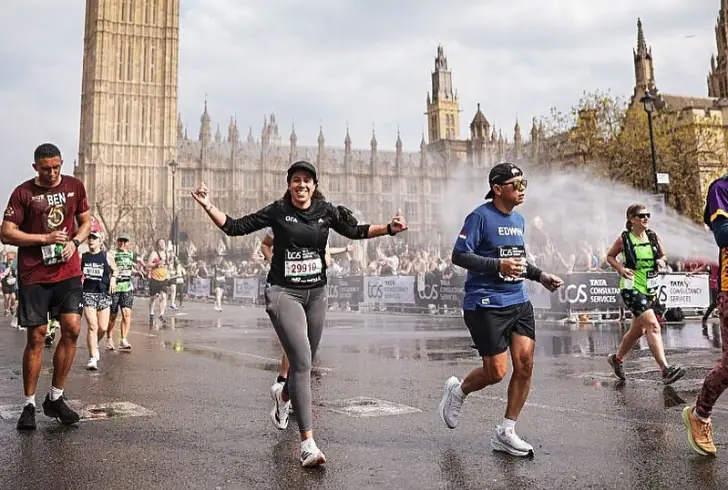
Special travel offerings target runners specifically. Contiki’s 14-day European run-and-sightseeing vacation, as well as Runcation Travel’s trail packages in the Dolomites, Patagonia, and Sierra Nevada, encourage physical exploration. As Liz Gill, founder of Runcation Travel, stated, the focus lies in using motion as a lens for discovery.
Hotels now integrate running into their guest experience. Westin’s Move Well program includes local running routes and on-property Run Concierges who serve as cultural guides rather than fitness staff. Peggy Roe from Marriott notes these concierges act as community connectors. JW Marriott and EVEN Hotels also support local trails and fitness zones onsite.
Pickleball
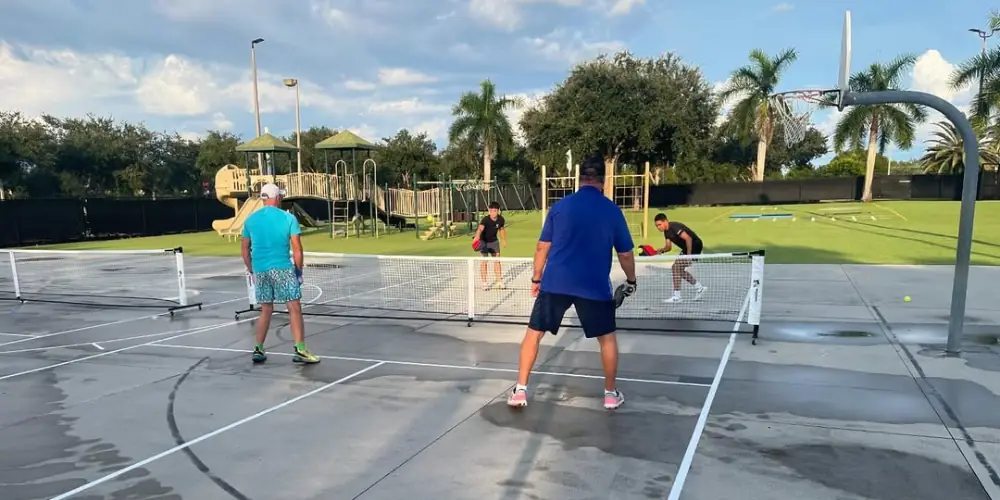
Pickleball exploded into mainstream popularity with nearly 20 million players in the U.S. by 2024—a 46% jump from the previous year. International growth in the UK, Mexico, Australia, India, and Spain mirrored similar interest.
Upscale destinations welcomed the trend. Naples, Florida hosts the Minto US Open Pickleball Championships, drawing over 55,000 fans and 3,450 players, while Mesa, Arizona’s national championships brought in thousands more. Resorts built courts and designed entire vacation packages around pickleball instruction and play. Sandra Rios of Naples Marco Island Everglades CVB noted the destination’s growth among enthusiastic visitors.
Sandals Resorts partnered with USA Pickleball in 2025 to install courts and certified coaching at 14 properties. Palmetto Dunes Oceanfront Resort now features Pickleball Stay & Play options to elevate guest experiences. Meanwhile, Club Med Cancún prepares to host the North and South American Pickleball Cup, furthering international appeal.
Tennis
Tennis’ appeal increased by 8% in 2024, reaching a record 25.7 million players in the United States. Tennis, with its younger and more diverse participants, has helped break down stereotypes.
Modern tennis clubs now double as social venues, blending sport with stylish lounges, cocktails, and collaborations with brands like Lacoste. Travel has followed suit with tennis-themed stays at destinations like London’s Egerton House Hotel, which offers Wimbledon packages complete with VIP match access. Accor Live Limitless sets the stage for elite Roland-Garros experiences featuring premium hospitality for loyalty members.
Resort-based tennis travel packages increased too. The Rafael Nadal Academy in Mallorca offers expert coaching alongside luxury amenities, crafting immersive training vacations. Grand Slam Tennis Tours designs trips around events like the Australian Open and U.S. Open, combining match tickets with coaching, exclusive events, and cultural exploration.
Golf

Golf demographics shifted substantially. Nearly 57% of players are under age 50, with a growing number of female players under 18. Off-course entertainment venues such as Topgolf and Drive Shack boosted participation 115% since 2019.
The WM Phoenix Open epitomizes the modern golf experience. Known as “The People’s Open,” the event combines PGA talent with a festival-like atmosphere, drawing 750,000 attendees annually and spurring regional hospitality growth.
Hotels tapped into this shift. Omni Resorts offers golf-themed getaways linked with PGA courses. Crystal Springs Resort introduced tech-forward offerings like Trackman at driving ranges and special Gen Z memberships. Golfbreaks, led by Marketing Head Levi Bilbrey, crafts custom golf itineraries mixing sport with local flavors—ranging from Scottish whisky tastings to Palm Springs mini-retreats.
LIV Golf shook conventional norms with younger fans. Its tournaments, which Mitsubishi partners with MGM Resorts, attract a crowd fifteen years younger than traditional events. Expansion plans include global stops like Hong Kong and Mexico City.
Strategic Activators for Travel Brands
These active pursuits are more than just hobbies—they shape identity, foster social connection, and drive travel decisions. High-value travelers increasingly seek meaningful, physically engaging experiences over passive amenities.
Destinations and hotels that invest in sport-focused offerings—such as hosting events, building facilities, or offering guided activities—appeal to this growing audience. Features like run clubs, pickleball courts, or curated golf itineraries attract tourists looking for effort, community, and connection.
Athletic travel now reflects purpose and belonging. People plan trips around being active in inspiring environments, creating stories rooted in movement and memorable experiences.
As travel evolves, lifestyle sports are leading the shift. Destinations that integrate sport, culture, and nature into their offerings will build deeper emotional loyalty and stay relevant in the next era of tourism.