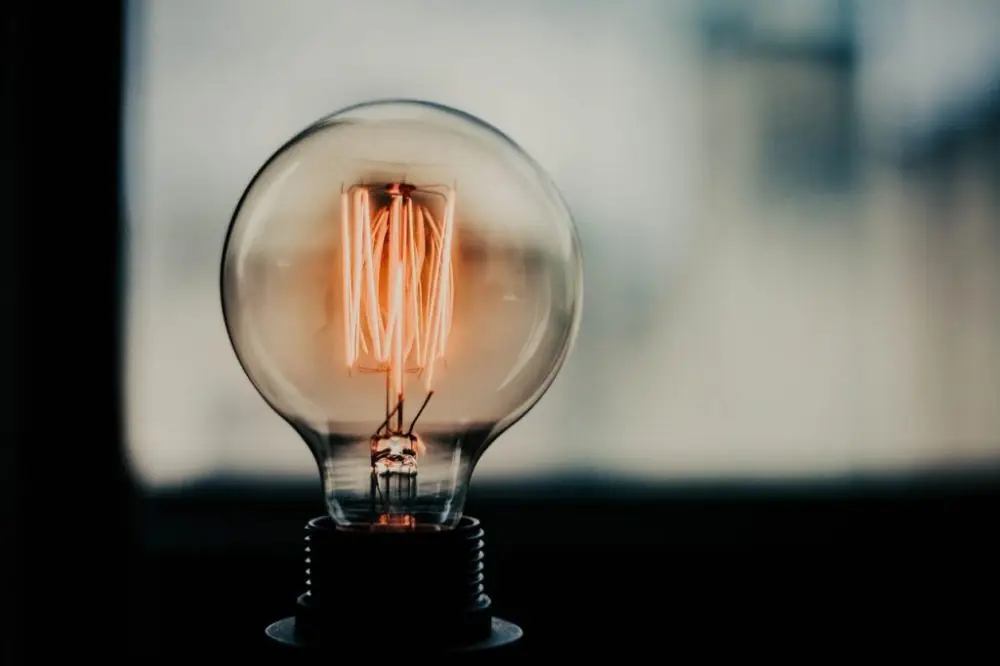
At its core, energy conservation is the practice of using less energy to lower costs and reduce environmental impact. This can mean using less electricity, gas, or any other form of energy that you get from your utility and pay for. With finite energy resources available on our planet, actively conserving energy when possible is beneficial individually and to our larger energy systems. While energy conservation is the practice of trying to use less energy for cost and environmental reasons, energy efficiency means using specific products designed to use less energy. These two concepts are inherently similar but involve different methods. Examples of energy conservation include using smart appliances and energy-saving bulbs in your home.
Replace your light bulbs with LEDs

If your home doesn’t already use LED bulbs, it is time to swap them in. LED lighting might cost you more upfront than halogen incandescent bulbs or fluorescent bulbs, but you can save $45 a year just by switching out five older bulbs with LEDs. The more bulbs you switch to LED, the more money you’ll save. In addition to requiring less energy to emit light, they’ll last you longer, too. A high-efficiency LED bulb should last you at least a decade.
Install a programmable or smart thermostat
A programmable thermostat can automatically turn off or reduce heating and cooling when you are asleep or away. When installing a programmable thermostat, you eliminate wasteful energy from heating and cooling without upgrading your HVAC system.
On average, a programmable thermostat can save you $180 per year. Programmable thermostats come in different models that can be set to fit your weekly schedule. Additional features of programmable thermostats can include indicators for when to replace air filters or HVAC system problems, which also improve the efficiency of your heating and cooling system.
Seal any air leaks
Energy-efficient windows are one of the gold standards for using less energy at home, but it’s not always financially viable to completely replace all of your windows. Instead, you can still make an impact by air sealing your home with either caulking or weatherstripping. Leaking air allows heat to escape in the winter and cool air to escape in the summer, meaning your home has to work harder to maintain the temps you want. Go on a hunt for air leaks in your house, and then seal them up. Leaks often happen around doors and windows, as well as around outlets and in areas where wiring, plumbing, or ductwork come in.
Purchase energy-efficient appliances

On average, appliances are responsible for roughly 13% of total household energy use. When purchasing an appliance, you should pay attention to two numbers: the initial purchase price and the annual operating cost. Look for appliances with the Energy Star label, which is a federal guarantee that the appliance will consume less energy during use and when on standby than standard models. Energy savings differ based on the specific appliance. For example, Energy Star-certified clothes washers consume 25% less energy and 45% less water than conventional ones, whereas Energy Star refrigerators use only 9% less energy.