
The debate over animal research is gaining attention in the United States, but eliminating it could pose serious risks to public health. Animal studies have played a pivotal role in preventing epidemics, reducing childhood deaths, and turning once-fatal diseases into manageable conditions.
Ending federally funded animal research—particularly involving non-human primates—won’t automatically create a more ethical or innovative medical system. Instead, it risks slowing lifesaving discoveries and exposing patients to unnecessary danger.
Policy Shifts and Proposed Changes
HHS Secretary Robert F. Kennedy Jr., under his “Make America Healthy Again” initiative, has called for phasing out animal research in favor of what he describes as “high-tech methods.”
In a December interview on Fox News, Kennedy explained that he is coordinating with federal agencies, including the CDC and NIH, to end all federally funded animal testing, focusing particularly on non-human primates.
Additionally, the Environmental Protection Agency has revived plans to eliminate the use of rabbits, mice, rats, and other mammals in chemical toxicity testing by 2035. These moves reflect growing skepticism toward animal research, but they carry significant implications for public health.

The Ethical Perspective
Concerns about animal research are not without merit. Biomedical progress has sometimes relied on ethically troubling practices. Historical examples include modern gynecology benefiting from experiments on enslaved Black women.
Similarly, animal research has at times involved cruelty, neglect, and misconduct. Recognizing these past mistakes is important, but it also highlights the need for careful, regulated research rather than abandonment.
Regulation and Oversight
In the United States, animal research operates under strict regulations.
Laboratories must follow the Animal Welfare Act and Public Health Service Policy and are monitored by the Institutional Animal Care and Use Committee (IACUC). Non-human primate studies are additionally regulated by the Department of Agriculture (USDA), which conducts annual unannounced inspections to ensure proper treatment.
Researchers undergo extensive mandatory training before working with animals, and violations can lead to serious consequences, including funding loss, bans on future research, or even criminal prosecution.
The Role of Non-Human Primates
Non-human primates are not used casually. Their physiology, neuroanatomy, and immune systems closely resemble humans, making them essential in specific areas of research. Pharmaceutical companies often test new drugs in primates before moving to human trials.
Although FDA requirements for primate testing have been relaxed for certain antibody drugs, these animals remain critical for modeling complex diseases.
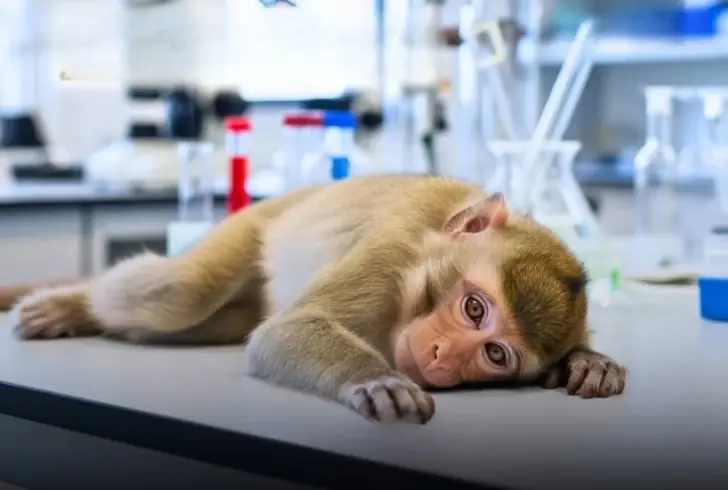
Diseases like HIV, Zika, Alzheimer’s, breast cancer, and type 2 diabetes have been studied in non-human primates, leading to breakthroughs in antiretroviral therapy, immune modulation, and potential cure strategies.
These advances relied on decades of federally funded primate research, forming the foundation for safe human trials. Eliminating this research prematurely would weaken public health protections.
Alternatives to Animal Research
Modern science is exploring alternatives, including organoid systems and machine-learning models. These tools are valuable for specific questions and continue to expand in scope. However, they cannot replicate the immune responses, long-term toxicity effects, reproductive impacts, or complex neurobehavioral outcomes observed in whole organisms.
Reducing reliance on animals is desirable where possible. Policies should aim to use fewer animals, improve care, increase transparency, and integrate alternatives as they become validated. But abolishing federally funded animal research without proven substitutes risks patient safety and medical progress.
The focus should be on strengthening ethical research, guided by evidence, strict oversight, and accountability for both human and animal lives. Animal studies remain essential for biomedical progress, ensuring treatments are safe and effective before reaching patients.
Reducing or ending federally funded animal research, particularly with non-human primates, would slow medical advances and increase public health risks. Diseases that are now treatable could become more dangerous, and future outbreaks might have a greater impact, with the consequences measured in human lives.