
In a major breakthrough, scientists at The University of Texas at Arlington have uncovered a hidden key to managing cholesterol and inflammation—two major players in chronic disease.
Their latest research points to an enzyme, IDO1, as a critical switch that could help prevent heart disease, diabetes, and even cancer.
A Powerful Link Between Inflammation and Cholesterol
The research team, led by Professor Subhrangsu S. Mandal, revealed how inflammation interferes with the body’s ability to regulate cholesterol. Inflammation, while essential for healing and fighting infections, can spiral out of control.
When that happens, it causes immune cells—specifically macrophages—to mismanage cholesterol. This dysfunction paves the way for clogged arteries, heart disease, and a host of other issues.
But that’s where IDO1 comes into focus.
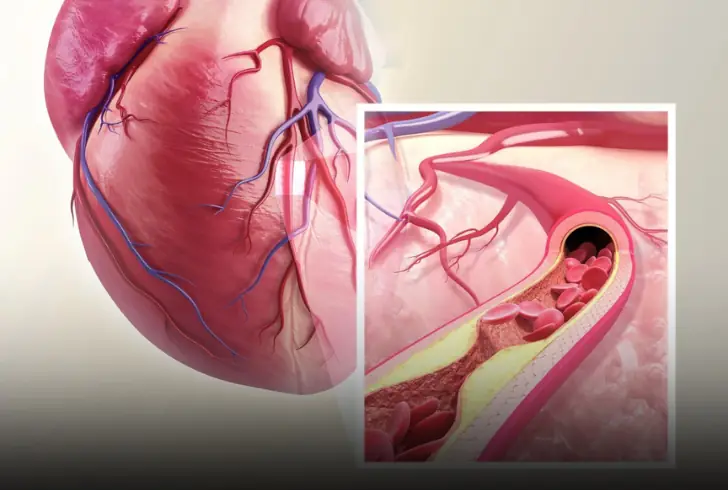
Professor Mandal explained, “By blocking the enzyme IDO1, we are able to control the inflammation in macrophages.” This shift allows macrophages to regain their natural function and absorb cholesterol properly, effectively halting the chain reaction that leads to disease.
What Does IDO1 Actually Do?
IDO1 becomes active during inflammation and starts producing kynurenine—a compound that disrupts how macrophages process cholesterol. When researchers blocked IDO1, they noticed macrophages returned to their normal function. This discovery signals a new path for fighting chronic illness—not by managing symptoms, but by targeting the root cause.
The team also identified nitric oxide synthase (NOS) as an enzyme that causes the effects of inflammation in addition to IDO1. Inhibiting NOS may offer another powerful approach to keeping cholesterol levels stable during inflammatory episodes.
Could This Be the Next Big Thing in Heart Health?
Yes, and here’s why. For years, scientists have understood that inflammation plays a key role in heart disease, but figuring out exactly how has remained a challenge. This study draws a straight line from inflammation to poor cholesterol management and ultimately to heart disease.
As Professor Mandal stated, “Too much cholesterol buildup in macrophages can lead to clogged arteries, heart disease, and a variety of other illnesses.” Understanding ways to reduce inflammation that affects cholesterol regulation may lead to novel therapeutics.
That statement doesn’t just point to future drugs—it hints at a full paradigm shift in how doctors could one day treat patients with cardiovascular or metabolic risk.
What’s Next for the Research?

The UT Arlington team plans to dig deeper. They want to understand more about how IDO1 interacts with other molecules inside the body and whether similar enzymes may also play a role. The ultimate goal is to develop safe and effective treatments that switch off the inflammation-cholesterol pipeline before it becomes deadly.
With heart disease still the leading cause of death in the US, and diabetes affecting millions more, the stakes couldn’t be higher. If researchers can translate these lab findings into medication, the impact could be massive.
By targeting inflammation at its molecular roots, this research offers more than insight—it delivers a roadmap. As scientists continue to explore IDO1 and its impact, the potential to prevent life-threatening conditions grows stronger.
This could mark a turning point in the fight against chronic illness—one that rewrites the rules of prevention and treatment.