Daily life is full of movement, yet most people don’t realize that small bursts of physical activity can have a significant impact on health and longevity. Running up stairs, power walking around the house, or energetic gardening might seem ordinary, but when done with intention, these actions can improve heart health, reduce disease risk, and even extend life.
This concept is gaining attention among scientists and health experts, offering a practical solution for those who struggle to fit traditional exercise into busy schedules.
Understanding VILPA
Over the past few years, research has introduced a new approach to physical activity called VILPA, short for vigorous intermittent lifestyle physical activity. Also referred to as “exercise snacking,” “snacktivity,” or “activity microbursts,” VILPA focuses on short bursts of vigorous movement incorporated into everyday routines.
Mark Hamer, professor of sport and exercise medicine at University College London, explains that VILPA is a simplified form of high-intensity interval training (HIIT). Unlike structured gym workouts, it involves performing daily activities with increased intensity for one to two minutes at a time.
Hamer and his colleagues first noticed this pattern when analyzing movement data from wrist-worn wearables on people who did not engage in formal exercise. They found that some individuals naturally accumulated significant activity through quick bursts, such as hurrying up stairs or brisk walking during commutes.
“Much of this movement was accrued in very short chunks,” Hamer says. “This led to the concept of microbursts.”
Health Benefits Linked to Microbursts
Research shows that VILPA can have a remarkable impact on health. In a 2022 study of 25,241 participants across the UK, Hamer and colleagues from the University of Sydney found that just three or four one-minute VILPA sessions daily led to:
- A 40% lower risk of premature death from all causes
- A 49% reduction in cardiovascular disease risk
Even a total of just over four minutes a day of VILPA can offset some of the risks tied to a sedentary lifestyle. Matthew Ahmadi, a postdoctoral fellow at the University of Sydney, points out that these short bursts of activity help prevent frailty and lower chronic disease risk, especially as people age.
Everyday Ways to Practice VILPA
VILPA doesn’t require formal workouts. Simple daily tasks done with more effort can count:
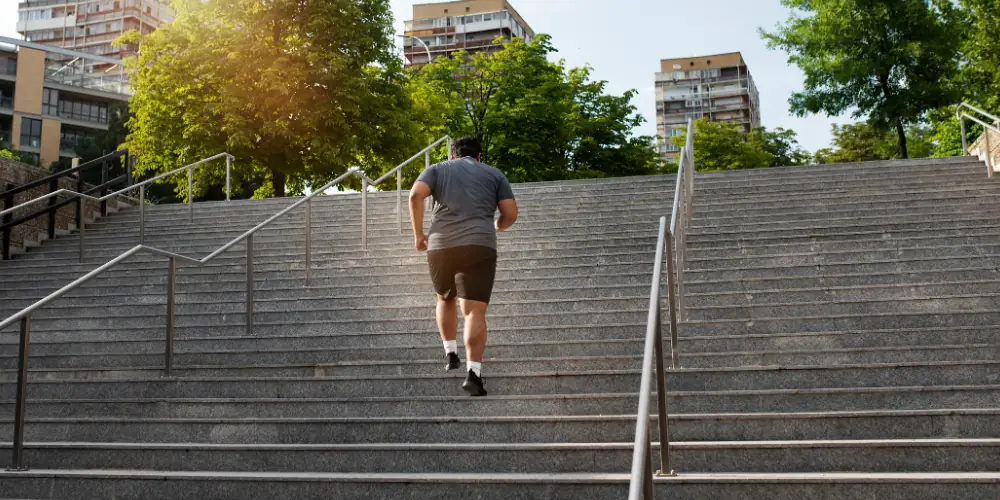
- Running up stairs
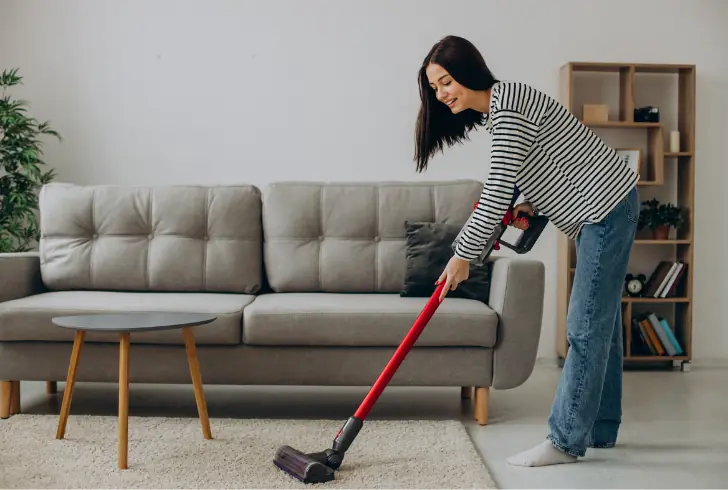
- Power walking while cleaning
- Active play with children or pets
- Carrying groceries or lifting objects with more effort
Ahmadi says, “You can engage in moderate to vigorous activity throughout daily life. It doesn’t require special equipment.” Even short periods of fast walking during a casual stroll contribute to your daily VILPA.
Global Implications
The need for practical exercise is urgent. WHO reports that 1.8 billion adults are at risk of disease from inactivity. Adults over 40 often find it difficult to exercise regularly due to time constraints, making VILPA an accessible solution.
Amanda Daley, professor of behavioral medicine at Loughborough University, explains that VILPA is effective because it requires only a few minutes several times a day, making it approachable and low-cost.
Katie Dain, CEO of the NCD Alliance, highlights the global relevance, noting that sedentary lifestyles contribute to millions of preventable deaths each year. The rise in inactivity, combined with urban environments designed for cars rather than pedestrians, underscores the importance of strategies like VILPA.
Microbursts and Step Counts

Research also challenges the conventional 10,000-step goal. Studies show that even lower step counts provide meaningful health benefits:
2,517–2,735 steps/day reduces cardiovascular disease risk by 11% compared to 2,000 steps/day
2,200+ steps/day can lower the risk of heart disease and premature death
Rana Hinman, professor in the University of Melbourne’s department of physiotherapy, stresses that even people with chronic joint pain or osteoarthritis can benefit from small amounts of activity.
Health Benefits and Future Potential
VILPA can lower cancer risk, with studies showing just three to four minutes of daily activity may reduce risk by 17–18%. Brief bursts of movement trigger muscle contractions that support fat and glucose metabolism, improve circulation, strengthen muscles, and reduce inflammation linked to heart disease, diabetes, and obesity.
Researchers are now exploring how exercise snacking can help people with chronic conditions and whether microbursts can encourage gradual progress toward the recommended 150 minutes of moderate activity per week.
Hamer notes, “If we can get the majority of the population to do some microbursts, this will be far more powerful than getting a few people to achieve the guidelines.”
Small Movements, Big Impact
Small, vigorous bouts of activity integrated into daily routines can produce significant health benefits. VILPA highlights that even brief periods of movement can improve heart health, strength, and reduce the risk of chronic illnesses.
Adding just a few minutes of higher-intensity activity throughout the day can boost longevity and overall well-being—no hours at the gym required. Microbursts of exercise offer an easy, effective way to stay healthier.