Bananas are an everyday snack for millions, yet most people never think about how much the fruit changes as it ripens. Its sweetness, starch, fiber, and even vitamin profile shift from one stage to the next, which means some bananas naturally align better with certain health needs.
Picking the right banana isn’t just a flavor preference—it can influence digestion, energy, and blood sugar. Dietitians say a little knowledge about ripeness can help you choose the banana that actually supports your goals.
Underripe Bananas
When a banana is still green and tough to peel, it’s packed with resistant starch, a carb that behaves more like fiber. Registered dietitian Avery Zenker of MyCrohnsAndColitisTeam explains that this starch feeds good gut bacteria, slows digestion, and helps keep blood sugar steady.
Nutrition lecturer Amanda Sauceda adds that resistant starch ferments in the gut, contributing to a healthier microbiome and better blood sugar control. For people with insulin resistance, prediabetes, Type 2 diabetes, or IBS, green bananas can be especially helpful. Pairing them with peanut butter or another healthy fat boosts their blood-sugar–friendly effect.
Still, not everyone thrives on resistant starch. Athletes or people sensitive to it may feel bloated or heavy—definitely not ideal before a workout.
Barely Ripe Bananas
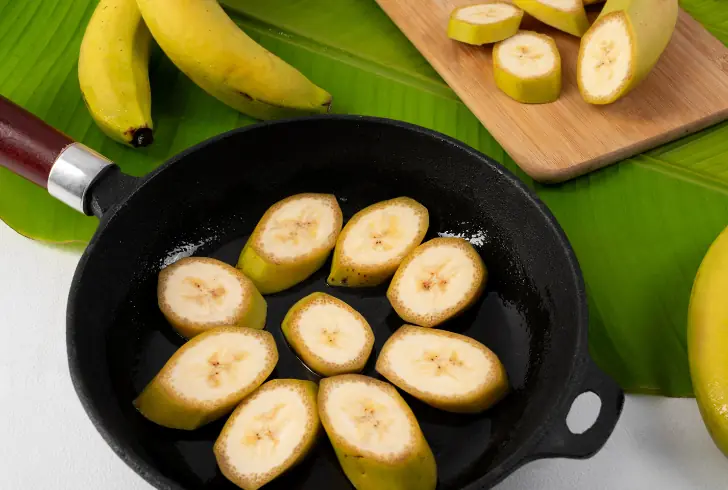
As bananas turn from green to yellow, they soften a bit but still hold their shape. Some starch starts converting to sugar, but they remain high in fiber and minerals. Zenker notes that this stage keeps much of the digestive benefit of underripe bananas without the chalky bite.
Because the sugar conversion is gradual, they deliver stable energy and are a good choice for people managing conditions like insulin resistance, diabetes, or digestive issues.
This stage can also support gut balance in peri- and post-menopausal women thanks to the lingering resistant starch, which helps with insulin sensitivity during hormonal shifts.
Ripe Bananas
Once fully ripe, bananas become sweeter and gentler on the stomach. Most of the starch has turned into sugar, the fiber dips slightly, and antioxidants rise. Potassium and magnesium are both strong at this stage—one banana provides about 8% of the daily value for each.
Ripe bananas offer quick, steady fuel, making them great before workouts or as a kid-friendly snack. They digest easily while still providing nutrients and a bit of fiber.
Very Ripe Bananas
Speckled bananas with soft flesh are nearly all natural sugar, with lower fiber than earlier stages. Zenker notes they deliver fast energy and are easy on sensitive digestive systems, which makes them helpful for people with low appetite or those recovering from illness.

People watching their blood sugar may prefer to go easy on very ripe bananas. They shine in smoothies, though—their sweetness means no added sugar is needed.
Overripe Bananas
Deeply spotted or brown bananas are at their sweetest, with the least fiber. Vitamin C drops, but folate inches upward. Sauceda notes that an overripe banana has about 10 mg of vitamin C, compared to 14 mg in a ripe one, but slightly more folate.
They’re ideal for baking or freezing for banana bread, cookies, or blended drinks. They’re gentle on digestion and deliver fast fuel, though not the best choice for people managing diabetes or those wanting higher nutrient density in raw fruit.
Selecting the Right Banana for Your Goals
Your grocery-store choice doesn’t have to hinge on color alone. Each stage of ripeness brings its own nutritional perks—better gut health, easier digestion, balanced blood sugar, or a quick energy bump.
Green or brown, firm or spotty, bananas are nutritious all the way through. Picking the right ripeness simply helps match the fruit to your needs.