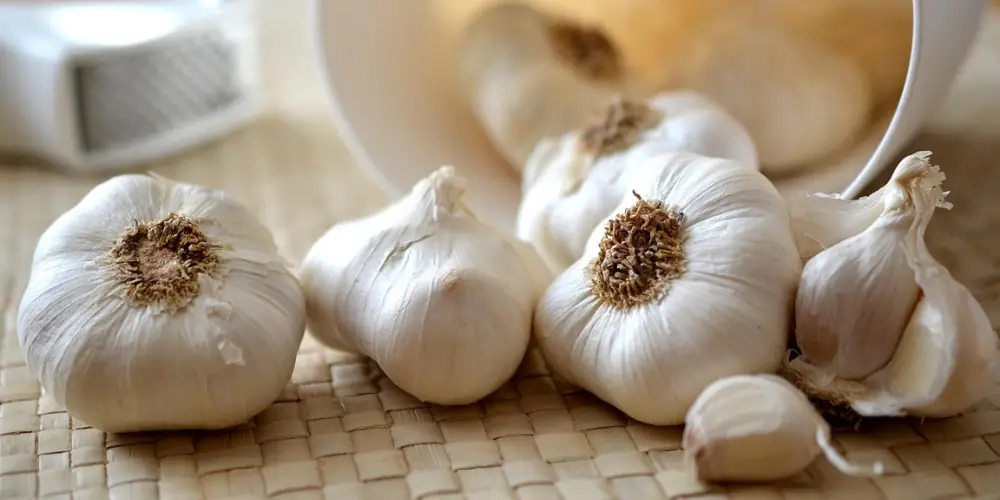
Garlic has been part of kitchens and medicine cabinets for centuries, cherished for its flavor and health properties. Today, modern research shows it’s more than a seasoning—it’s a powerful prebiotic food that actively supports gut health.
While garlic contains less total fiber than many fruits and vegetables, it delivers several hundred milligrams of prebiotic fiber per gram, making its impact on digestion surprisingly significant.
Unlike standard dietary fiber, the type found in garlic directly nourishes the gut microbiome.
According to microbiome company BIOHM Health, about 17 percent of garlic’s fiber consists of prebiotics—special compounds that selectively feed beneficial gut bacteria, helping maintain a balanced digestive system.
Why Garlic Works as a Prebiotic

Garlic contains key prebiotic compounds like inulin (around 11 percent) and fructooligosaccharides, or FOS (around six percent). These nutrients provide food for healthy gut bacteria, which are essential for proper digestion, nutrient absorption, and immune defense.
Scientific studies also highlight garlic’s dual function: it not only encourages beneficial microbes but also suppresses harmful bacteria. Its natural bioactive compounds create a gut environment that supports microbial balance and resilience.
Benefits Beyond Digestion
A healthy microbiome influences more than just digestion. Gut balance affects energy levels, inflammation control, and recovery after physical activity. It also plays a role in how efficiently the body processes nutrients and supports immune function—factors that matter for anyone pursuing an active or health-conscious lifestyle.
Adding garlic to daily meals is simple and effective. Whether raw, roasted, or lightly cooked, even small amounts provide prebiotic support without the need for supplements or drastic dietary changes. Garlic demonstrates how minimal adjustments to meals can result in meaningful health benefits.
How to Include Garlic in Your Diet
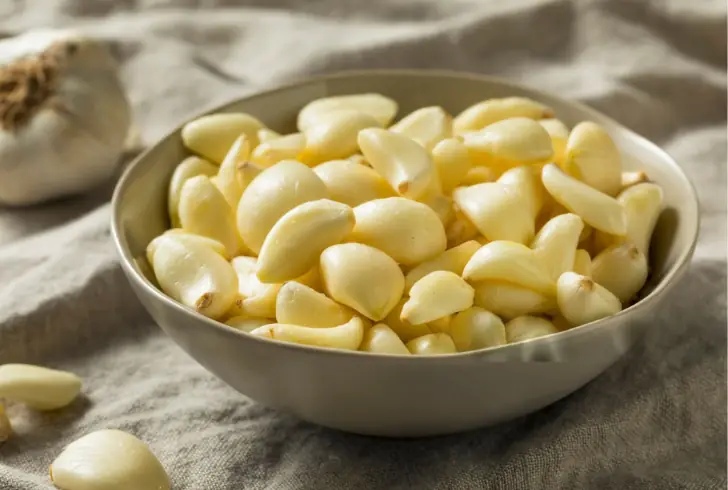
1. Raw – Adds a pungent flavor and maximum prebiotic benefit.
2. Roasted – Mellow and slightly sweet, perfect for spreads or roasted vegetables.
3. Lightly Cooked – Retains most prebiotic compounds while softening the flavor for sauces and sautés.
Incorporating garlic doesn’t require complex recipes or special products—it’s a versatile ingredient that naturally supports gut health and overall well-being.
Garlic may be small, but its impact on gut health, immunity, and daily performance is significant. With its prebiotic compounds like inulin and FOS, garlic supports beneficial gut bacteria while discouraging harmful microbes.
Including garlic in everyday meals is an easy, natural way to enhance digestion, energy, and immune function. Simple, accessible, and effective, garlic proves that some of the most powerful health solutions come from the foods already on your plate.