
A growing number of social media influencers are advocating for a trend known as sleepmaxxing—a practice focused on optimizing sleep to improve overall health. These recommendations range from dietary changes to adjusting sleeping environments, all aimed at achieving deeper, more restorative rest.
Given the well-established connection between sleep and various aspects of health, such as cognitive function, heart health, and emotional well-being, it’s no surprise that this trend has gained traction. But does sleepmaxxing truly deliver the promised benefits, or is it just another wellness fad?
What Exactly Is Sleepmaxxing?
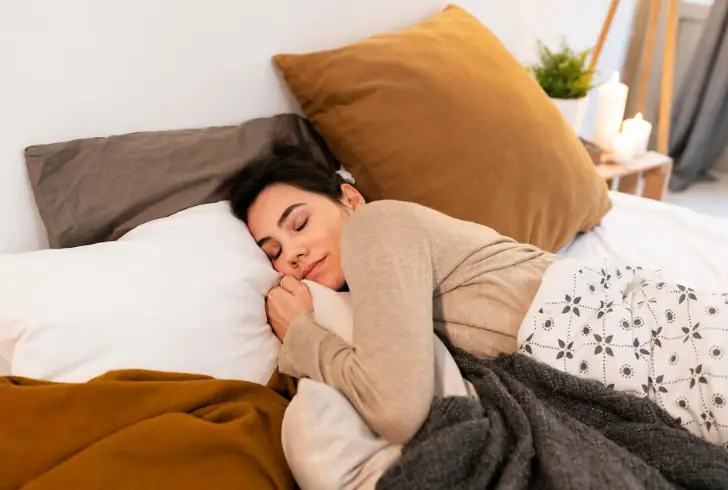
Sleepmaxxing is essentially an effort to maximize sleep quality and duration through specific routines and techniques. While some methods align with traditional sleep hygiene practices, others are more unconventional.
Some of the commonly suggested sleepmaxxing strategies include:
1. Avoiding liquids two hours before bed
2. Keeping the bedroom cool and dark
3. Using a white noise machine
4. Refraining from setting an alarm
5. Taking a warm shower an hour before bed
6. Eliminating caffeine from the diet
7. Eating kiwis before bed
8. Using magnesium and melatonin supplements
9. Sleeping with a weighted blanket
10. Getting 30 minutes of natural sunlight daily
11. Meditating for at least 30 minutes each day
While these techniques may sound promising, their effectiveness varies. Some have scientific backing, while others lack substantial evidence.
Is There Scientific Support for Sleepmaxxing?
Despite its popularity, a search through credible research databases such as PubMed and Google Scholar shows no direct studies on the term “sleepmaxxing.” However, this doesn’t necessarily discredit all the associated strategies. Many are rooted in sleep science, but some are based on anecdotal claims rather than clinical research.
One controversial method, taping the mouth shut during sleep, has gained attention on social media. Proponents claim it can reduce snoring and improve breathing. However, research from George Washington University’s department of otolaryngology suggests otherwise. While mouth taping may reduce snoring in some individuals, it does not address underlying conditions like sleep apnea, allergies, or asthma, which may require medical intervention.
Sleepmaxxing vs. Standard Sleep Hygiene
Many recommended sleepmaxxing techniques overlap with established sleep hygiene principles, which are widely supported by research.
Traditional sleep hygiene focuses on:
1. Limiting caffeine and alcohol intake
2. Maintaining a consistent sleep schedule
3. Reducing screen time before bed
4. Engaging in regular physical activity
5. Keeping the bedroom environment quiet and comfortable
While these practices are beneficial for most individuals, those experiencing chronic insomnia may require additional interventions.
Do Melatonin, Weighted Blankets, and Kiwi Really Help?
Some sleepmaxxing strategies have limited scientific backing. Consider the following:
1. Melatonin Supplements
The American Academy of Sleep Medicine supports melatonin for circadian rhythm disorders, such as jet lag, but not for general sleep difficulties.
2. Early Bedtime Claims
Viral posts suggest that sleeping before 10 p.m. is ideal for everyone. However, sleep needs vary based on chronotypes, lifestyles, and work schedules, making a universal bedtime recommendation impractical.
3. Weighted Blankets
Some studies indicate they may reduce anxiety, but there’s insufficient evidence to confirm widespread benefits for sleep quality.
4. Kiwi for Sleep
A small study with 24 participants suggested that kiwi may promote better sleep, but without larger, randomized trials, the results remain inconclusive.
The Risks of Over-Optimizing Sleep
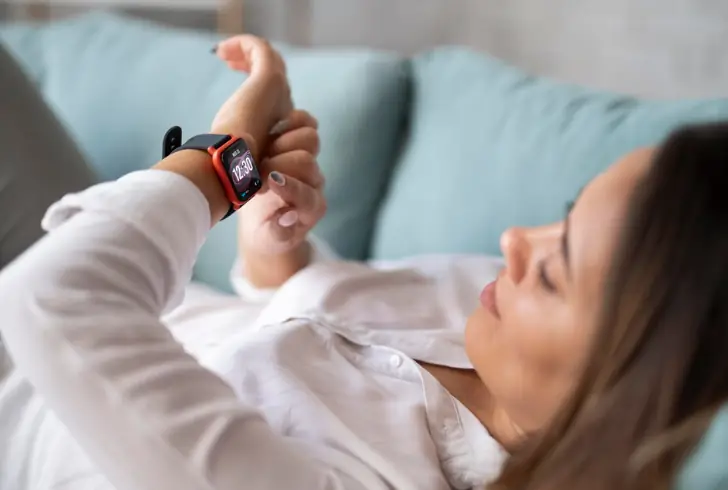
The pursuit of perfect sleep can sometimes lead to an unhealthy obsession, known as orthosomnia. With an increasing number of people tracking their sleep using wearable devices, some may become overly fixated on achieving ideal sleep metrics, even when they are already sleeping well.
While good sleep habits are important, expecting flawless sleep every night can create unnecessary stress and negatively impact rest.
Should You Change Your Sleep Habits?
Rather than blindly following every sleepmaxxing trend, it’s best to assess personal sleep quality first. Keeping a sleep diary for a few weeks and pairing it with data from a wearable device can provide useful insights. While these tools are not as precise as professional sleep studies, they can help identify patterns and potential concerns.
If difficulty falling asleep, frequent nighttime awakenings, or persistent daytime fatigue occur three or more times per week, consulting a healthcare provider may be beneficial. Evidence-based treatments, such as cognitive behavioral therapy for insomnia (CBT-I), have been shown to effectively improve sleep quality without medication.
Is Sleepmaxxing Worth It?
Prioritizing quality sleep is essential for overall health, and many sleepmaxxing techniques align with well-researched sleep hygiene practices. However, some recommendations lack scientific support and may not work for everyone.
Instead of striving for “perfect” sleep, focusing on consistent and healthy sleep habits is a more realistic and beneficial approach.