
A prediabetes diagnosis can be alarming. This condition is marked by abnormally high blood sugar (glucose), most often due to insulin resistance. This is a condition in which the body doesn’t use insulin properly. It’s not high enough to be considered type 2 diabetes yet.
But without lifestyle changes, adults and children with prediabetes are at high risk to develop type 2 diabetes. If you have prediabetes, the long-term damage of diabetes, especially to your heart, blood vessels, and kidneys, may already be starting. There’s good news, however. Progression from pre-diabetes to type 2 diabetes isn’t inevitable.
Prediabetes doesn’t usually have any signs or symptoms. One possible sign of prediabetes is darkened skin on certain parts of the body. Affected areas can include the neck, armpits, and groin.

Classic signs and symptoms that suggest you’ve moved from prediabetes to type 2 diabetes include:
- Increased thirst
- Frequent urination
- Increased hunger
- Fatigue
- Blurred vision
- Numbness or tingling in the feet or hands
- Frequent infections
- Slow-healing sores
- Unintended weight loss
Warning signs of prediabetes
Prediabetes often goes undiagnosed, with the vast majority having no symptoms at all. However, certain symptoms may indicate that an individual is prediabetic. Many of these symptoms could indicate other conditions, but it may be worth checking for the condition as a measure to prevent the onset of Type 2 diabetes.
Sadly, too many medical professionals don’t know enough about prediabetes and how to diagnose it properly, and it doesn’t help that the typical doctor visit is already too short. For prediabetes, it’s important to get to know the risk factors and symptoms and be tested if you’re at risk! However, the following symptoms are often noticed in patients:
Frequent urination
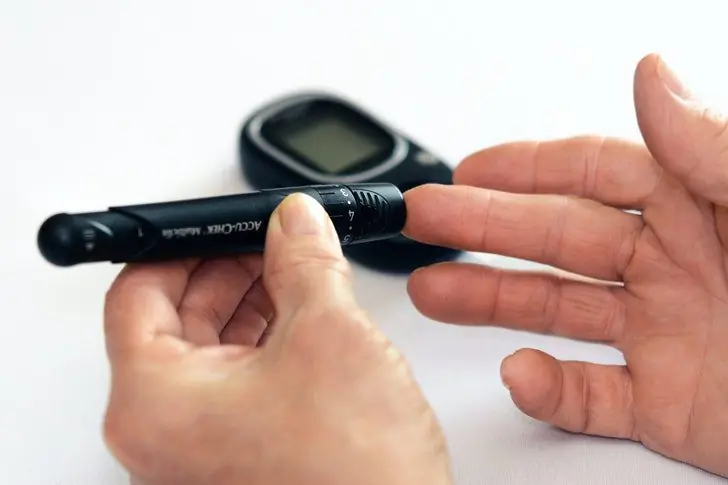
When blood sugar levels are high, the kidneys try to remove the excess sugar by filtering it out of the blood. This can lead to a person needing to urinate more frequently, particularly at night.
Increased thirst
The frequent urination that is necessary to remove excess sugar from the blood can result in the body losing additional water. Over time, this can cause dehydration and make a person feel more thirsty than usual.
Increased hunger

Excessive hunger is a classic warning sign of prediabetes is the compulsive need to eat so the cells get the fuel the body needs. Unfortunately, if the sugar is unable to leave the bloodstream, excessive eating will cause the blood sugar to spike even higher, causing further problems and progressing toward Type 2 diabetes.
Tingling, numbness, or pain in the hands or feet
High blood sugar levels can affect blood circulation and damage the body’s nerves. In people with type 2 diabetes, this can lead to pain or a sensation of tingling or numbness in the hands and feet.
This condition is known as neuropathy, and it can worsen over time and lead to more serious complications if a person does not get treatment for their diabetes.