
Semaglutide has gained attention for its potential benefits in managing conditions like type 2 diabetes and obesity, but with its rising popularity, questions have emerged about its safety, particularly concerning liver health. The key question many are asking is – does semaglutide cause liver damage?
Understanding the implications of this medication on liver function requires a thorough examination of both clinical research and practical considerations.
What Is Liver Damage?

Liver damage occurs when liver cells are harmed or scarred, a condition that can lead to more severe issues like cirrhosis if not managed effectively. The liver’s ability to regenerate is remarkable, but repeated injury or chronic disease can overwhelm this capacity, leading to significant health problems. Recognizing liver damage early is crucial because it often presents with minimal symptoms until it reaches an advanced stage.
Liver damage can stem from various factors including:
- Chronic Alcohol Consumption – Regular, excessive drinking can lead to inflammation and scarring.
- Exposure to Toxins – Certain chemicals and environmental toxins can damage liver cells.
- Infections – Hepatitis and other viral infections can contribute to liver damage.
- Autoimmune Diseases – Conditions where the immune system attacks liver cells can cause damage.
- Genetic Disorders – Some inherited conditions affect liver function.
- Certain Medications and Supplements – Some drugs and supplements can negatively impact liver health.
Key liver enzymes, such as ALT (Alanine Aminotransferase) and AST (Aspartate Aminotransferase), are often monitored to detect liver damage. Elevated levels of these enzymes may indicate liver inflammation or injury, though they are not definitive on their own.
Does Semaglutide Cause Liver Damage?
Research into the effects of semaglutide on liver health has produced varied results. Semaglutide is known for its role in managing type 2 diabetes and aiding weight loss, but its impact on liver health warrants careful consideration.
Recent Research Findings
Studies on semaglutide have revealed mixed outcomes regarding liver health:
- Potential Benefits – Some research suggests that semaglutide might improve liver function in individuals with non-alcoholic steatohepatitis (NASH), a condition marked by fat accumulation in the liver. For these patients, semaglutide has shown promise in reducing liver fat and inflammation.
- Potential Risks – There are isolated reports indicating that semaglutide could potentially contribute to liver damage in some individuals. These cases often involve complex factors, such as pre-existing liver conditions, that complicate the assessment of the drug’s impact.
Evidence from Clinical Studies
Clinical studies have shown mixed results regarding semaglutide’s impact on liver health. While some participants experienced increased liver enzymes, with AST levels rising by approximately 27% and ALT levels by around 28%, semaglutide has also demonstrated potential benefits for liver conditions like NASH by reducing liver fat.
However, concerns remain about its potential to exacerbate liver conditions in certain individuals, highlighting the need for careful monitoring and individualized treatment plans.
Monitoring Liver Health While on Semaglutide
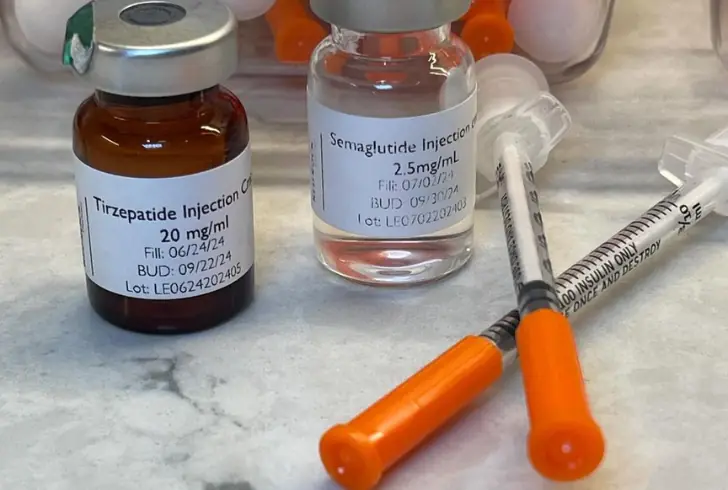
Regular monitoring is essential when taking semaglutide, especially if there’s a concern about liver health. Key strategies include:
- Blood Tests – Regular liver function tests, including ALT, AST, and alkaline phosphatase (ALP), can help track liver health. Elevated enzyme levels should be discussed with a healthcare provider to determine the appropriate course of action.
- Imaging Tests – Ultrasound, CT scans, or MRIs may be used to assess liver condition more comprehensively.
- Symptom Awareness – Be vigilant for symptoms of liver issues such as fatigue, jaundice, dark urine, itchy skin, and abdominal pain. Reporting these symptoms to a healthcare provider is crucial for timely intervention.
A Balanced Perspective on Semaglutide and Liver Health
while semaglutide is a promising medication for managing diabetes and obesity, its impact on liver health requires ongoing scrutiny. Does semaglutide cause liver damage? The answer is not straightforward. While there is evidence suggesting potential liver benefits, there are also concerns about possible liver damage, especially in individuals with pre-existing conditions.
Staying informed and proactive about liver health is essential for anyone taking semaglutide. Regular check-ups and open communication with healthcare providers can help mitigate risks and ensure that liver health remains protected during treatment.