
The United States has a burnout problem: 76% of employees are burned out on the job, with 28% feeling burned out “very often” or “always.” Despite these figures, 59% of employees are taking less time off than usual owing to the stresses of our new normal, and 42% of employees working from home have no plans to take time off to relax.
Since the spring, Headspace, a prevalent mental health app, has seen a 500% spike in requests from businesses linked to employee’s mental health, while 70% of workers globally believe they are more stressed than ever.
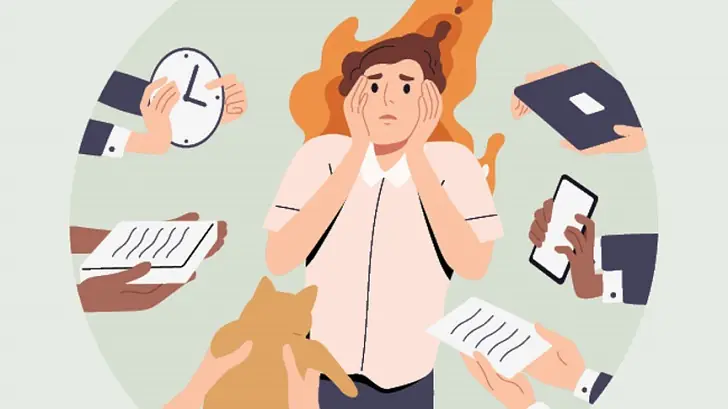
Companies must detect and avoid burnout before it hurts their business. Your team must be resilient enough to thrive in changing circumstances, and you must promote a good work-life balance to avoid burnout. It begins with understanding the signs and causes of burnout, followed by knowing how to use that knowledge to prevent it.
Work Overload
Work overload is one of the most common causes of burnout. You can become overwhelmed and stressed when you have too much work to do and too little time to do it. This can lead to decreased job satisfaction, a sense of helplessness, and feeling trapped in your job.
To prevent work overload, setting realistic goals and prioritizing tasks are essential. You should also learn to say no when asked to take on more work than you can handle.
Lack of Control
A lack of control over your work can also contribute to burnout. You may feel helpless and frustrated when you feel like you have no control over your workload, schedule, or work environment. To avoid burnout, it is important to communicate with your manager or supervisor about your workload and schedule.
You should also try to find ways to take control of your work environment, such as by decorating your workspace or setting up a comfortable work area.
Personal Life Stressors
Personal life stressors, such as financial, family, or health problems, can also contribute to burnout. When dealing with significant stress in their personal lives, it can be challenging to manage work demands.

Lack of Support
A lack of support from colleagues, supervisors, or family and friends can also lead to burnout. When you feel unsupported, you may feel isolated and overwhelmed. This can lead to decreased job satisfaction, a sense of detachment from work, and a feeling of being trapped in your job.
To prevent burnout, building strong relationships with colleagues, supervisors, family, and friends is important. You should also seek support from others when you need it, such as through counseling or therapy.
Job Insecurity
Job insecurity is another cause of burnout. You may become anxious and stressed when you feel your job is at risk. This can lead to decreased job satisfaction, a sense of detachment from work, and a feeling of being trapped in your job.
To prevent burnout, it is important to communicate with your manager or supervisor about your job security. You should also work to develop a range of skills that will make you more valuable to your employer.

Perfectionism
Perfectionism can also contribute to burnout. You may become stressed and overwhelmed when you have high expectations for yourself and your work. This can lead to decreased job satisfaction, a sense of detachment from work, and a feeling of being trapped in your job.
Setting realistic goals for yourself and your work is important to prevent burnout. You should also learn to be kind to yourself and accept that mistakes are a natural part of the learning process.
Lack of Work-Life Balance
When individuals do not have a healthy balance between work and their personal lives, it can lead to burnout. This can happen when work takes over too much of an individual’s time and energy, leaving little room for relaxation and self-care.