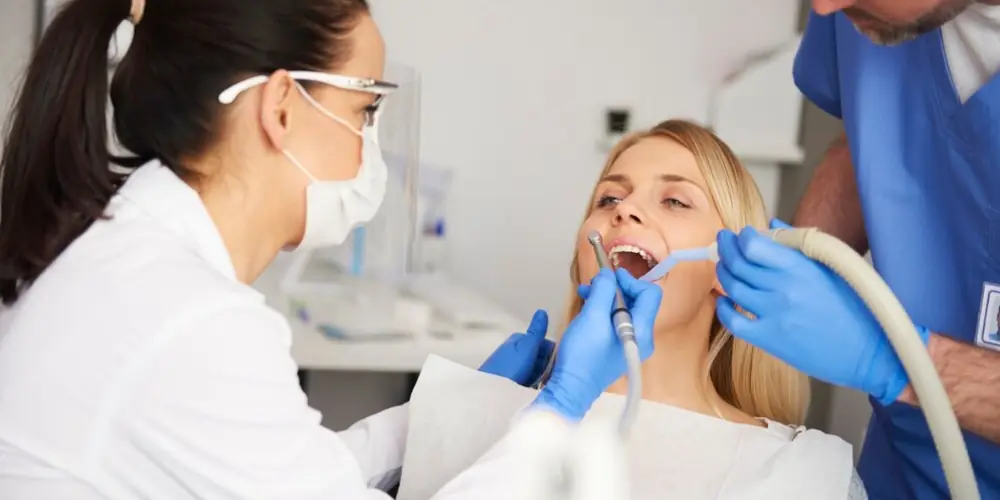
When people think about oral health, they often focus on brushing, flossing, and avoiding cavities. But what if the tiny organisms living in your mouth were doing more than just affecting your teeth?
Emerging research suggests that the oral microbiome—millions of bacteria, fungi, and viruses residing in your mouth—may be linked to a range of serious health issues, including Alzheimer’s, cardiovascular disease, and even metabolic disorders.
These microbes don’t just stay in your mouth. They can enter the bloodstream, travel through the body, and potentially trigger infections or inflammation elsewhere. Scientists are now uncovering how these microscopic residents may have a far greater influence on our well-being than previously thought.
What Is the Oral Microbiome?
The human mouth is home to a vast ecosystem of microbes. This collection of bacteria, archaea, fungi, and viruses is collectively known as the oral microbiome.
Scientists first documented these tiny organisms in the 17th century when Dutch microbiologist Antonie van Leeuwenhoek examined the plaque from his own teeth. “After skipping cleaning for three days, I took a sample from my gums and found a world of living creatures,” he wrote in a letter to the Royal Society.
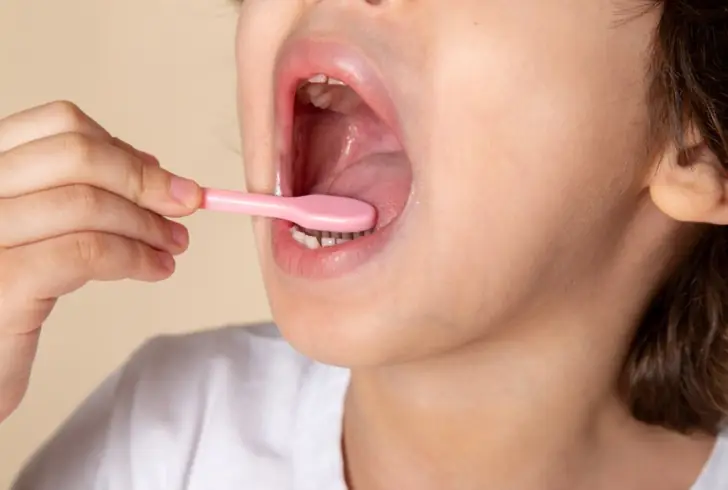
Today, researchers know that the oral microbiome plays a crucial role in maintaining a healthy balance in the mouth. When this balance is disrupted—a condition called dysbiosis—it can lead to dental problems like cavities and gum disease. However, the impact of these microbes extends far beyond oral health.
How Oral Microbes Are Linked to Disease
Scientists have found compelling connections between oral bacteria and several serious health conditions:
1. Heart Disease and Stroke
Certain oral bacteria have been detected in the arteries of people with heart disease. These microbes may contribute to plaque buildup, increasing the risk of heart attacks and strokes. Some bacteria also trigger inflammation, which is a major factor in cardiovascular disease.
2. Alzheimer’s and Cognitive Decline
A specific bacterium, Porphyromonas gingivalis, commonly associated with gum disease, has been discovered in the brains of individuals with Alzheimer’s. Research suggests that when people develop infections with this bacterium, they can experience cognitive decline over time.
3. Diabetes and Metabolic Disorders
Studies indicate that people with type 2 diabetes are more likely to have an imbalance in their oral microbiome. This could be due to the way bacteria influence inflammation and insulin resistance.
4. Colorectal Cancer
Some oral bacteria, such as Fusobacterium nucleatum, have been detected in colon cancer tumors. Scientists believe these microbes may travel from the mouth to the intestines, where they contribute to tumor growth and inflammation.
How Do Microbes Travel Through the Body?
The connection between oral bacteria and diseases in distant parts of the body raises an important question: How do these microbes move from the mouth to other organs?
1. Swallowed Saliva – Every day, people swallow thousands of microbes, which can end up in the digestive tract and bloodstream.
2. Bloodstream Entry – Infected gums can create tiny wounds, allowing bacteria to enter the bloodstream and reach vital organs.
3. Trojan Horse Effect – Some bacteria, like Fusobacterium nucleatum, can hide inside immune cells and “hitch a ride” through the circulatory system.
These mechanisms suggest that maintaining oral health is about more than just a bright smile—it could be a crucial part of preventing chronic diseases.
Why Traditional Dental Implants May Not Be Enough
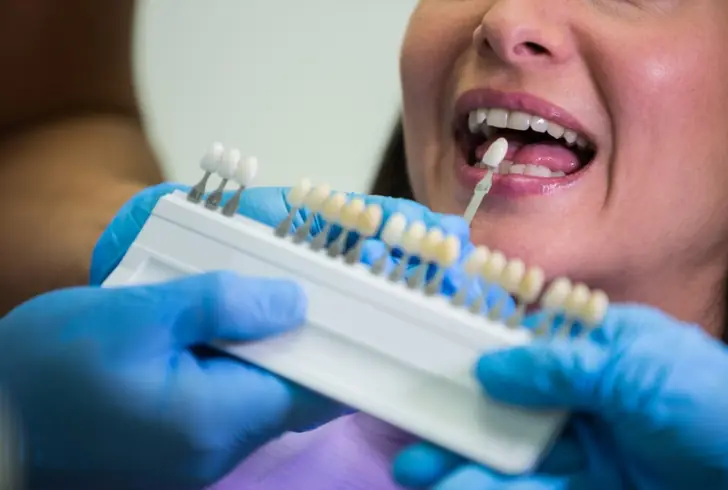
For people who lose teeth due to injury or disease, dental implants are a popular solution. However, these implants come with their own risks. About 20% of implant patients develop an infection called peri-implantitis, which can lead to bone loss. Unlike natural teeth, implants don’t integrate with gum tissue and bones in the same way, making them more susceptible to bacterial colonization.
To address these concerns, researchers are now exploring alternatives, such as bioengineered teeth. Scientists have successfully grown tooth-like structures using human and pig cells and implanted them into mini pigs.
“We are working on developing functional replacement teeth,” says a researcher involved in the project. If successful, this approach could offer a more natural and infection-resistant alternative to traditional dental implants.
Protecting Your Oral and Overall Health
Since microbes play such a significant role in health, taking care of your mouth is essential. Here are some steps to maintain a balanced oral microbiome and reduce health risks:
1. Brush and Floss Daily – This helps control bacterial buildup and prevent gum disease.
2. Use an Antimicrobial Mouthwash – Some rinses can help reduce harmful bacteria while preserving beneficial ones.
3. Limit Sugar Intake – Certain bacteria thrive on sugar, leading to acid production and tooth decay.
4. Visit a Dentist Regularly – Professional cleanings help prevent bacterial overgrowth and detect early signs of gum disease.
5. Stay Hydrated – Saliva is a natural defense mechanism that helps wash away harmful microbes.
The Future of Oral Health Research
Scientists are continuing to uncover the complex relationship between oral microbes and overall health. From studying how these bacteria contribute to disease to developing innovative treatments like bioengineered teeth, the future of oral health is rapidly evolving.
Until more breakthroughs emerge, maintaining a good oral hygiene routine remains the best defense against the hidden threats lurking in your mouth. After all, a healthy smile might be more connected to your well-being than you ever imagined.